Quick View
Loading...

Kalpa Pharmaceuticals
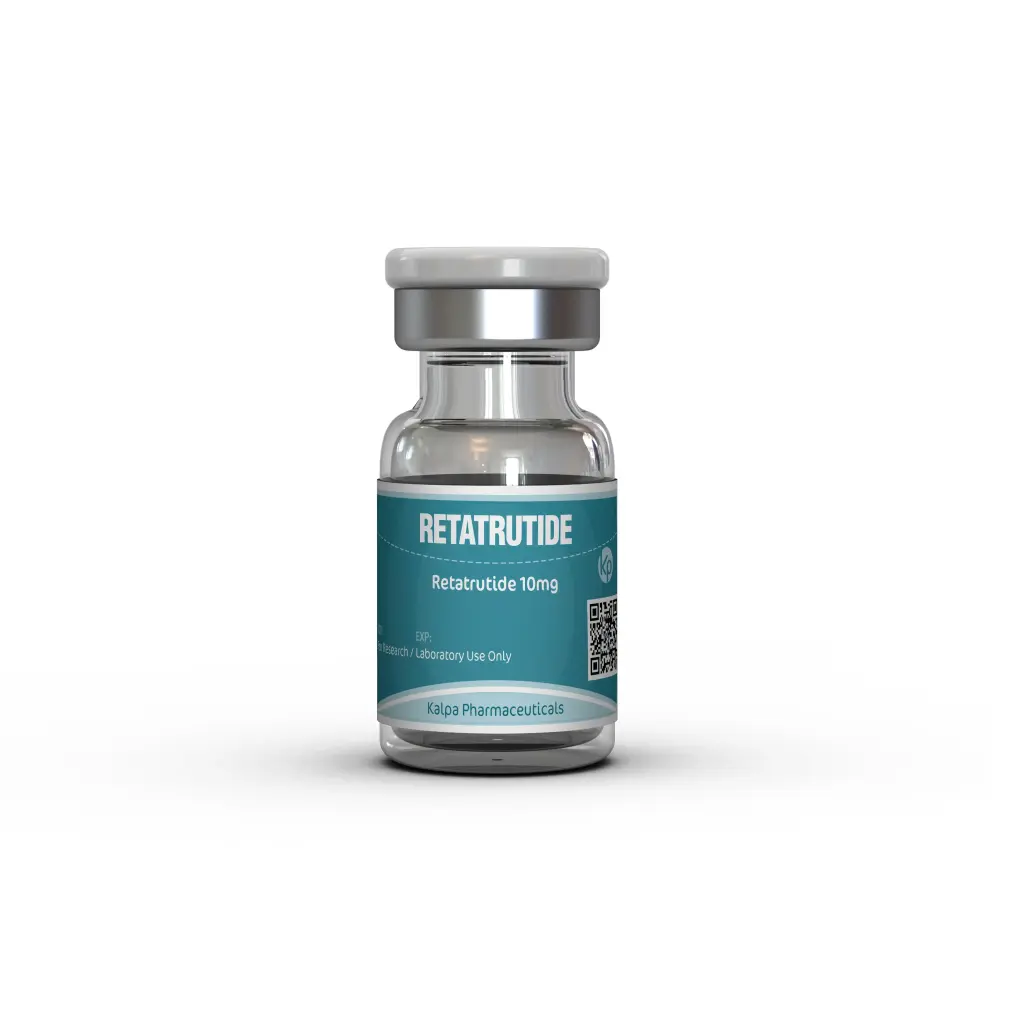
Buy Retatrutide 10 mg by Kalpa Pharmaceuticals at XSteroids. This is the Kalpa Pharmaceuticals retatrutide pack: one 10 mg lyophilized vial of a peptide that acts on three receptors at once. Below you will find what the molecule is, how the glucagon arm changes the picture compared with the better known two-receptor peptides, how the powder is diluted and what the trial programme has reported so far. It is research-grade material for laboratory work, not a medicine and not a plan for a person.
Retatrutide, development code LY3437943, is a synthetic peptide from Eli Lilly that activates the receptors for GLP-1, GIP and glucagon. The first two are the incretin pair already familiar from semaglutide and tirzepatide; the third is the addition that makes this molecule a triple agonist, and it is why energy expenditure is discussed alongside appetite in the literature. A lipid chain attached to the peptide holds it on albumin, which is what stretches its action in the body to roughly a weekly window [1].
The order itself is plain: a single glass vial of lyophilized powder containing 10 mg of the peptide, a stopper, and nothing else. No liquid, no pen device, no fixed dial and no cartridge, so the entire concentration question is decided by how much water is added at the bench. The strength and the lot appear on the box from Kalpa Pharmaceuticals, and because no independent assay of these vials exists, the printed label is the only statement about what is inside.
GLP-1 agonism slows stomach emptying, raises glucose dependent insulin release and reduces appetite signalling in the brain. GIP agonism supports the same incretin response and appears to soften some gastrointestinal discomfort. The glucagon receptor is the odd one out: activating it tells the liver to release glucose while also raising energy expenditure, so the calorie-burning side of metabolism goes up as intake goes down. Studies that traced the mechanism describe the glucagon arm as the part that keeps resting expenditure from falling during weight loss.
Pharmacologically the three signals do not simply stack. Glucagon agonism on its own would push blood glucose upward, and the incretin arms offset that by boosting insulin release when glucose is high. The balance produced a deeper fall in body weight than two-receptor peptides showed at comparable stages, with a broadly similar gastrointestinal profile. Animal work and early human data point to the same conclusion: the third receptor changes the magnitude rather than the basic mechanism [1][2].
Patience, because the published numbers took months to appear. The phase 2 study ran 48 weeks and reported average weight reductions of about 22.8 percent at 8 mg and 24.2 percent at 12 mg [2]. The phase 3 TRIUMPH-1 programme ran 80 weeks and reported about 19 percent, 25.9 percent and 28.3 percent at 4, 9 and 12 mg against 2.2 percent on placebo, with close to 45 percent of the top arm losing at least 30 percent of body weight [3]. These are figures from an investigational drug programme, and they say nothing about any research vial.
In practice the first thing noticed is appetite, not the mirror: portions feel far larger than they are wanted, and the effect arrives within days of a step change. Weight follows over weeks, with the early kilos often water and gut content. Because the trial doses were reached by slow escalation, a fast jump is the classic route to nausea rather than to faster progress. Anyone expecting trial numbers inside a month is reading the wrong timescale.
The arithmetic is one step: take the milligrams of peptide and divide them by the millilitres of water added. One millilitre into the 10 mg vial gives 10 mg per ml, so 1 mg sits in 0.1 ml. Two millilitres give 5 mg per ml and put 1 mg in 0.2 ml, while five millilitres give 2 mg per ml and put 1 mg in half a millilitre. On a U-100 barrel each 0.1 ml reads as ten units, so the same draw can mean different amounts depending on the water used.
Direct the water at the glass wall and swirl; never shake a peptide into foam. Mixed material keeps at 2 to 8 C for about 28 to 30 days, while the powder stays stable far longer when kept cold and dry [5]. The investigated weekly amounts were 1, 4, 8 and 12 mg in phase 2 and 4, 9 and 12 mg in phase 3, all reached by escalation roughly every four weeks [2][3]. Those are protocol arms and not a bench recommendation, and one 10 mg vial does not cover the top of that range in a single draw.
No combination involving this molecule has been formally studied, so everything below is about the shelf rather than about synergy. The natural bench neighbours are the metabolic items: Tesamorelin 5 mg for fat-specific research and MOTS-c 10 mg for mitochondrial energy work, both of which address questions that overlap only in topic.
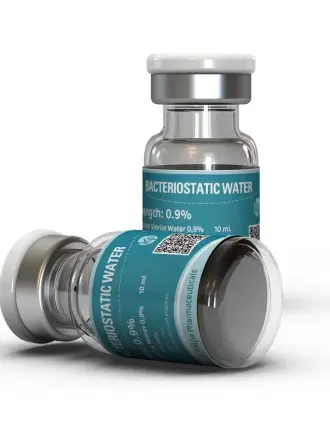
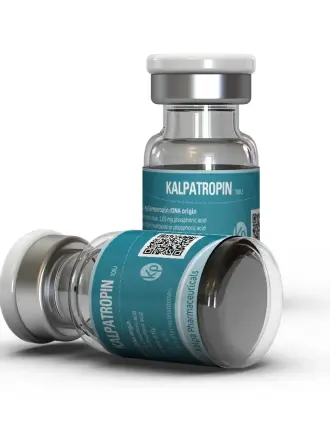
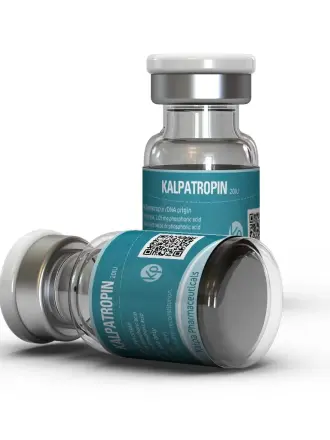
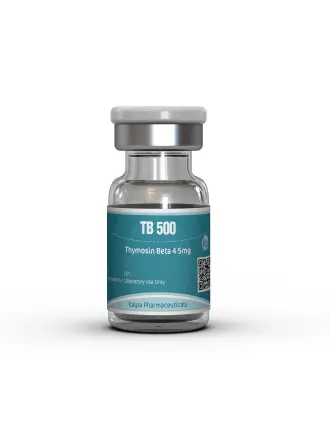
Practical pairings are more often logistical than pharmacological. A bacteriostatic water vial is the item actually used with the powder, while growth-axis and repair products such as Kalpatropin, TB 500 and Ipamorelin belong to separate lines of research. Treat the appetite effect as the ceiling: adding more compounds to a peptide that already suppresses intake is rarely the interesting variable.
This peptide does not touch the gonadal axis, so there is no shutdown to reverse and no place for a SERM here. What there is instead is appetite. Work across the incretin class shows hunger returning once the drug leaves the system and weight following it back up unless food and training behaviour change; withdrawal arms in this field measured most of the lost weight coming back within a year [1]. For retatrutide itself there is still no formal withdrawal study, because the trials are ongoing.
So the practical question at the end of a block is what happens to habits and to the calorie denominator. Because a vial can always be diluted further or drawn smaller, stopping can be stepped down rather than dropped, and that is a comfort question as much as a pharmacological one. Nothing here is medical guidance, and long-term plans belong with a clinician.
Gastrointestinal effects dominate: nausea, vomiting, diarrhoea, constipation and abdominal discomfort, all worse at higher amounts and worse again when the amount climbs quickly. Fatigue, headache and a modest increase in resting heart rate were also recorded, with the pulse change peaking around week 24 [2]. The class as a whole brings a small share of gallbladder and pancreatic events into the conversation, and for this molecule the safety profile on those points is not settled, because the data are still being collected [1].
Practical caution is straightforward. Nothing with an incompletely described metabolic profile belongs in a body without supervision, anyone with a history of gallbladder or pancreatic disease has reason to stay away from this research area, and pregnancy is a hard stop for incretin research of any kind. Keep vial and diluent apart, label both clearly, and read every figure on this page as a study number rather than as instruction.
The powder belongs at 2 to 8 C in its box, upright and protected from light, and the freezer is the wrong place for it: ice crystals break down the lyophilized cake. Mixed solution is kept refrigerated at 2 to 8 C as well and used within roughly four weeks, and a vial showing cloudiness, particles or a colour shift is discarded rather than used. Note the lot number and the date of mixing on the label, so a later reading of the work can be traced back to the right batch.
The 10 mg Retatrutide vial is part of the Kalpa Pharmaceuticals range stocked at XSteroids, which keeps the brand peptides, the diluent and the supporting research items on neighbouring pages, so one order can cover a whole bench session. Checkout is encrypted; deliveries inside the United States generally land in three to six days, and shipments abroad need twelve to twenty-six. The cards linked below gather the vials most often picked up alongside this one.
It activates the receptors for GLP-1, GIP and glucagon. The first two are the incretin pair that also appears with semaglutide and tirzepatide, while glucagon receptor agonism is the extra arm. That third pathway raises energy expenditure, which is what separates a triple agonist from the two-receptor peptides.
Glucagon signalling tells the liver to release glucose and raises energy expenditure, so calorie burning rises while food intake falls. On its own it would push blood sugar up, but the two incretin arms offset that by increasing insulin release when glucose is already high. The result in trials was a larger weight change than two-receptor peptides showed.
Milligrams divided by millilitres. One millilitre gives 10 mg per ml, two millilitres give 5 mg per ml and five millilitres give 2 mg per ml. Aim the water at the glass wall and swirl instead of shaking. Each 0.1 ml equals ten units on a U-100 barrel.
Tolerance, mostly gastrointestinal. Phase 2 escalated through 1, 4, 8 and 12 mg and phase 3 used 4, 9 and 12 mg, with steps about four weeks apart. Nausea and vomiting were the events that appeared when the amount moved too quickly, which is why the protocols look slow by design.
Yes, hunger returns once the peptide clears. Trials across the incretin class show weight coming back when treatment stops, and the retatrutide programme has no formal withdrawal study yet because the trials are still running. Behaviour around food and training decides how much of the change stays.
Gastrointestinal events were the common reason: nausea, vomiting, diarrhoea, constipation and abdominal discomfort. Fatigue, headache and a modest rise in resting heart rate were also recorded. Discontinuation tracked with the amount given, and the picture on gallbladder and pancreatic events is still being assembled.
Kalpa Pharmaceuticals Retatrutide 10 mg is available at XSteroids in the brand catalogue. Choose the vial on this page, add it to the cart and complete an encrypted checkout. US domestic shipping takes 3 to 6 days, and international orders usually arrive within 12 to 26 days.
Loading...
Your cart is currently empty. Let us assist you in finding the right product