Quick View
Loading...

Zyvex Pharmaceuticals
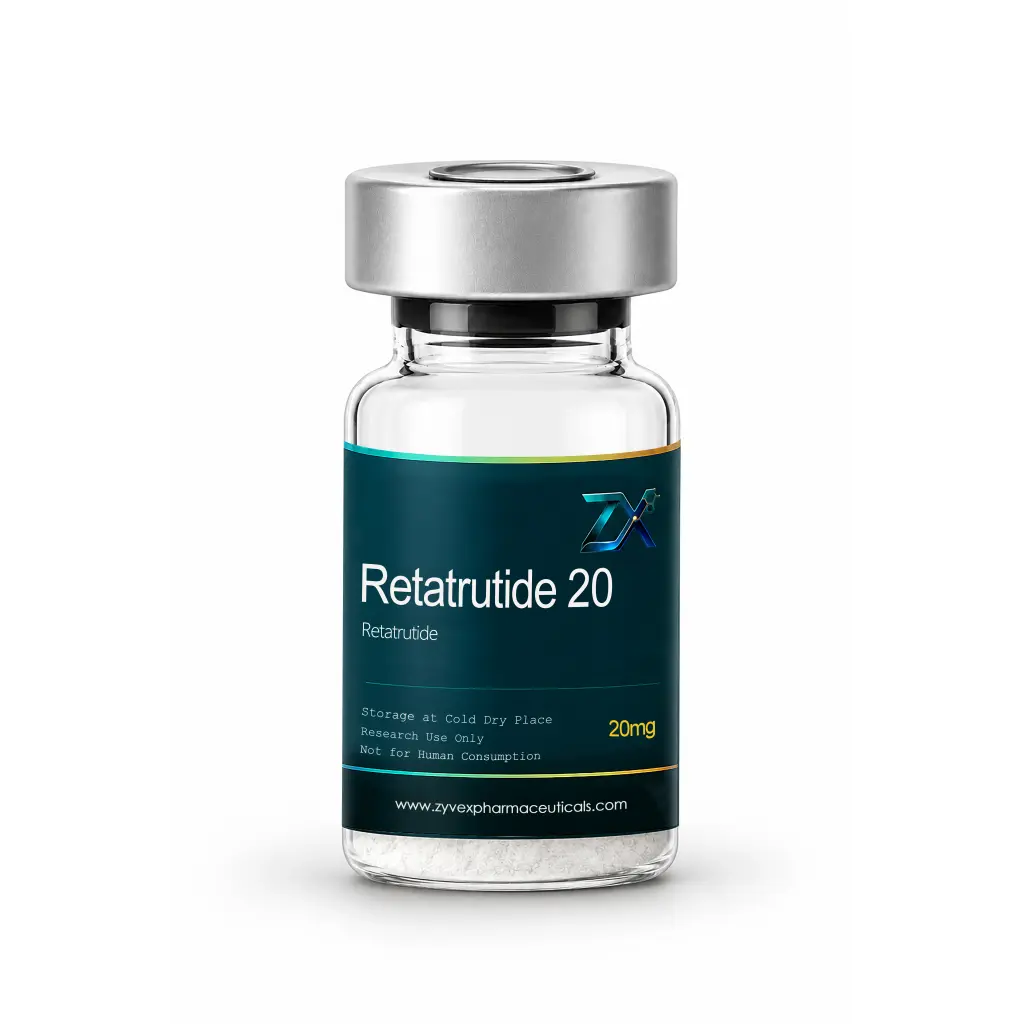
Buy Retatrutide 20 by Zyvex at XSteroids. This is a single 20 mg vial of lyophilised retatrutide, the investigational peptide known in development as LY3437943, listed in the metabolic category of the Zyvex line beside Semaglutide 10. The page covers what the triple agonist is, what the phase 2 and phase 3 programmes reported, how a researcher turns the powder into measured draws on an insulin barrel, and where the research still stops.
One fact sets the frame for everything below: retatrutide is still an investigational molecule, so a 20 mg research vial carries no label to copy and no established dose to follow. What is known about it comes from the studies that have been run so far. Nothing here is medical advice.
What arrives is a single glass vial holding 20 mg of freeze-dried retatrutide as a white powder. The molecule is a synthetic peptide built to switch on three receptors at the same time, GLP-1, GIP and glucagon, and a fatty acid side chain attached through a linker anchors it to albumin so that one administration stays active for roughly a week.
Because the compound is still investigational, there is no licensed manufacturing standard attached to it: no filler list, no potency certificate for this vial, and no batch release data. The Zyvex pack states the name and the 20 mg strength, and that is the whole specification a buyer can verify from the outside.
The first two arms are familiar from Semaglutide 10 and from dual agonists such as tirzepatide: GLP-1 and GIP signalling suppresses appetite, slows gastric emptying and sharpens glucose-dependent insulin release. The third arm is the difference. Glucagon receptor activation raises energy expenditure, which is why the molecule is described as three-armed rather than simply stronger.
In the clinical trials the schedule was a weekly subcutaneous injection, with the dose raised in steps across months. No published half-life figure was found in the sources consulted for this vial, so the honest position is that the value is not available, and the weekly design is explained by albumin binding rather than by a quoted number.
Expect the largest weight changes reported for this class so far, measured in research rather than in practice. In the phase 2 trial of adults with obesity, weight fell by up to roughly 22.8 percent at 8 mg and 24.2 percent at 12 mg over 48 weeks, with the dose escalated step by step rather than started high.
Expect the later programme to repeat and extend that. TRIUMPH-1, the phase 3 obesity study, reported average weight reductions of about 19 percent at 4 mg, 25.9 percent at 9 mg and 28.3 percent at 12 mg over 80 weeks, against 2.2 percent on placebo, and around 45 percent of participants on 12 mg lost 30 percent of body mass or more. These are trial results for a drug that does not yet hold a licence, not predictions for a reconstituted vial.
Start by working out the strength of each millilitre. Take the 20 mg printed on the pack and divide it by the volume of bacteriostatic water you introduce, and the answer is the mass carried by one millilitre. A barrel marked U-100 is divided into units where one unit represents 0.01 ml, so the ticks translate straight into mass. With 20 mg of powder on the bench, the amount of water chosen fixes every reading that follows.
At 20 mg plus 2 ml, the concentration is 10 mg/ml, so 1 mg reads as 10 units and 2 mg reads as 20 units. At 20 mg plus 4 ml, the concentration is 5 mg/ml, so 1 mg reads as 20 units, 2.5 mg reads as 50 units and 5 mg as 100 units. At 20 mg plus 5 ml, the concentration is 4 mg/ml, so 1 mg reads as 25 units and 2 mg reads as 50 units. Use the strength printed on your pack.
The trial programmes moved the dose upward in steps, never starting at the top, because gastrointestinal tolerance is the limiting factor. Any research block built around this vial has to respect that logic, and no step from an investigational trial becomes a dose instruction simply because it appears on a product page.
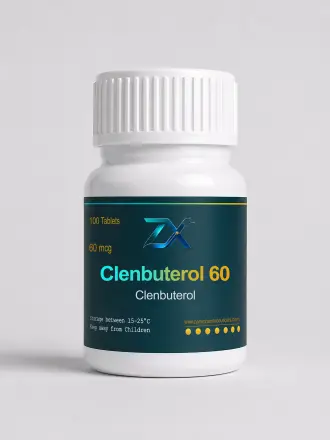
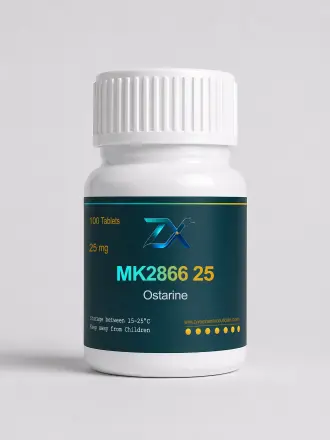
No combination is being recommended; this is the rest of the shelf. The obvious alternative is Semaglutide 10. Thermogenic cutting research uses Clenbuterol, fat oxidation and endurance work points to Cardarine (GW-501516), and muscle retention on a deficit is covered by Ostarine (MK 2866).
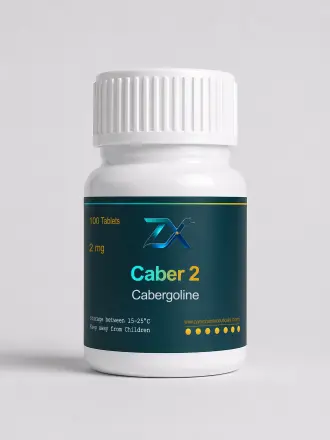
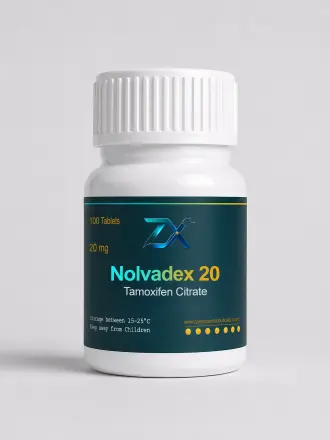
Two more cards are relevant for different reasons: BPC 157 for repair work, and Cabergoline if a prolactin-lowering agent is being considered alongside hormonal products. Where the person is also using anabolic compounds, the recovery shelf of this brand holds Nolvadex. None of these is a required pairing with an incretin peptide.
Retatrutide has no licensed form, no established dose and no long term safety record. The safety profile reported in trials is the class profile: nausea, vomiting, diarrhoea, constipation and abdominal discomfort, dose-dependent and most frequent when the dose is stepped up quickly, plus fatigue, headache and a small rise in resting heart rate that peaked around week 24.
Two questions stay open by definition. There is no formal withdrawal study, because the molecule is still in trials, although the class as a whole shows weight regain after treatment ends. And the pancreatitis and gallbladder risk profile that applies across incretin agonists has not been confirmed or excluded for retatrutide. Long term outcome data are still being collected.
There is no label, so the side effect list comes from trial reporting rather than from a label section: gastrointestinal reactions dominate and track the dose, and a modest heart rate increase was measured across the programme. Anyone whose own history, or that of a close relative, includes medullary thyroid cancer or the MEN-2 syndrome has a class-level reason to be careful, because that boxed warning applies to the licensed incretins as a group.
On sport, the position is simply that no anti-doping decision specific to retatrutide exists. It is not a named prohibited substance, but a missing entry is not a clearance, and the GLP-1 class sits in the WADA monitoring programme. On regulation, the line is absolute: no licensed medicine form, not permitted in compounding, research product only.
Sealed vials belong in a refrigerator set between 2 and 8 C, or in a dry cupboard kept at 15 to 25 C, and light should never reach the powder. Freezing the dry material is what destroys it. After water goes in, the mixture has to stay cold and be finished inside four weeks, and every cycle of freezing and thawing costs some of what remains. Since 20 mg lasts far longer than that window, put the mixing date on the label.
The vial is one entry in the Zyvex brand catalog at XSteroids, where the metabolic shelf sits beside the SARM and support cards of the same brand in a single basket. Card details never leave an encrypted connection. Orders shipping inside the United States normally land in three to six days, and parcels going overseas need twelve to twenty-six days. The cards listed below show the products buyers weigh against this one.
It activates three receptors instead of one or two: GLP-1, GIP and glucagon. The first two suppress appetite, slow gastric emptying and sharpen glucose-dependent insulin release. The glucagon arm is what makes it distinct, since it raises energy expenditure. Semaglutide hits one receptor and tirzepatide hits two.
No. Retatrutide, development code LY3437943, holds no licence for any condition in any country and remains an investigational molecule. The FDA notes that it has not been shown to be safe or effective and cannot be used in compounding. This Zyvex vial is therefore a research product with no established dose.
TRIUMPH-1 reported average weight reductions of roughly 19 percent at 4 mg, 25.9 percent at 9 mg and 28.3 percent at 12 mg across 80 weeks, against 2.2 percent on placebo, with about 45 percent of the 12 mg group losing 30 percent of body mass or more. Those are trial results, not a schedule for this vial.
Divide the milligrams in the vial by the millilitres of bacteriostatic water. Twenty milligrams with 4 ml gives 5 mg/ml, so 1 mg reads as 20 units and 2.5 mg as 50 units on a U-100 syringe, where one unit equals 0.01 ml. With 2 ml the same vial gives 10 mg/ml, halving every unit reading.
Gastrointestinal reactions were the most common: nausea, vomiting, diarrhoea, constipation and abdominal discomfort, all dose-related and worse when the dose rose quickly. Fatigue, headache and a small rise in resting heart rate also appeared, with the heart rate effect peaking near week 24. No long term safety data exist yet.
No rule names it. Retatrutide does not appear as a prohibited substance on the WADA list, but that reflects the absence of a specific decision rather than a positive ruling, and the GLP-1 agonist class is included in the WADA monitoring programme. Treat the status as unclassified rather than permitted.
You can buy the Zyvex Retatrutide 20 mg vial online at XSteroids, direct from the brand catalog. Add the vial to the cart on this page and check out securely. US domestic shipping takes 3 to 6 days and international delivery 12 to 26 days.
Loading...
Your cart is currently empty. Let us assist you in finding the right product