Quick View
Loading...

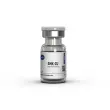
Axiolabs
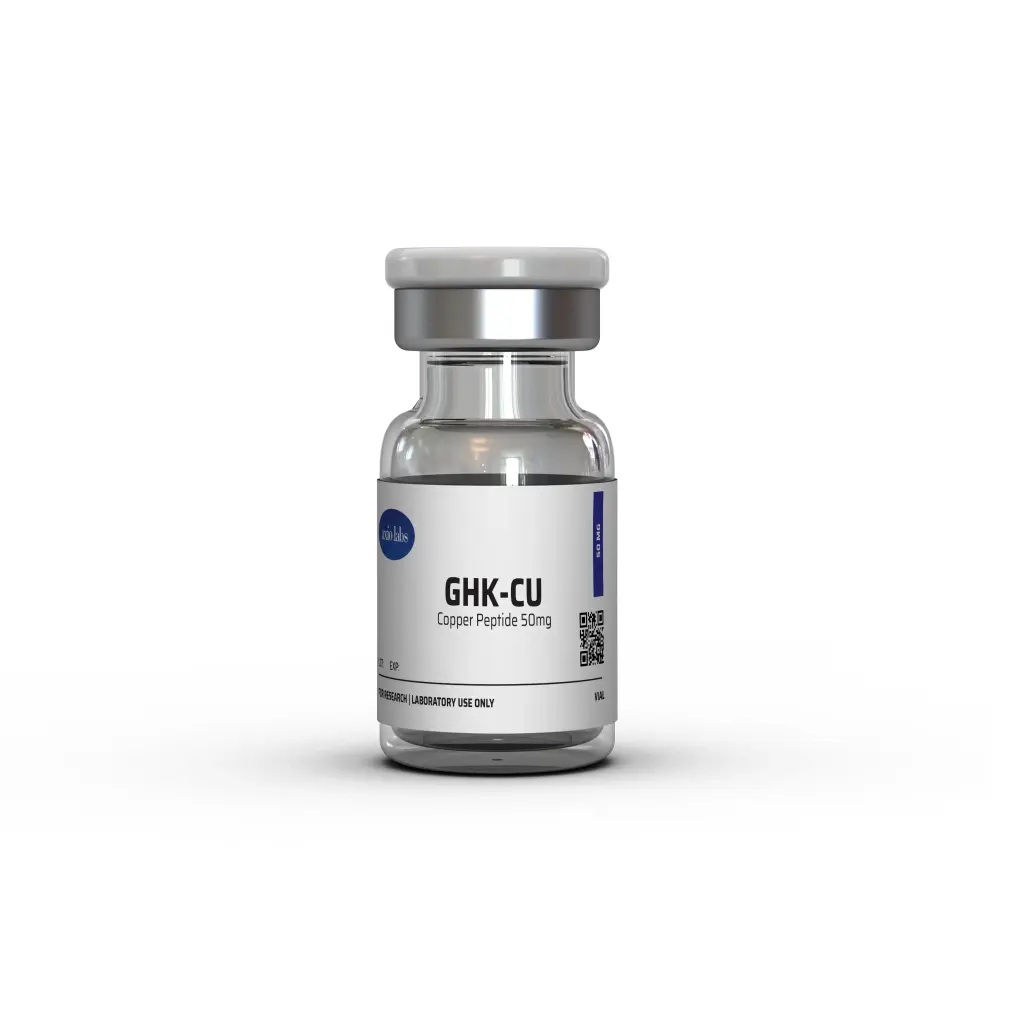
Buy GHK-CU 50 mg by Axiolabs at XSteroids. GHK-CU is a copper peptide: the tripeptide glycyl-L-histidyl-L-lysine bound to a copper ion, supplied as a lyophilized 50 mg vial that is mixed with bacteriostatic water. It is one of the oldest known peptide-copper complexes and the one most often studied for skin, collagen and wound repair. This page covers what it is, how it works, how a 50 mg vial is mixed, how it fits a repair stack and what the sources actually show.
One warning before the numbers: nearly all human data on GHK-CU comes from topical use on skin, not from injections. The two routes are not interchangeable, so the research references below are labelled as research references.
GHK-CU is a naturally occurring copper complex. Chemically it is the tripeptide Gly-His-Lys bound 1:1 to copper(II), with a molecular mass of about 400.9 g/mol. Loren Pickart isolated the copper peptide from human plasma albumin in 1973, and the GHK sequence itself was identified in 1977. Plasma levels of the peptide fall with age, from roughly 200 ng/ml at twenty years old to about 80 ng/ml at sixty, which is one reason it became a subject of anti-aging research.
Axiolabs supplies it as a lyophilized 50 mg vial. The powder is white to faintly blue and turns the mixed solution a clear blue, which is normal rather than a defect. A half-life in humans has not been established.
GHK-CU is classed as a matrikine: a fragment released when tissue is damaged that signals repair. Copper binding is required for activity, and the complex modulates the expression of a large number of human genes. In fibroblast studies it increases collagen and glycosaminoglycan synthesis, raises decorin, and shifts inflammatory signalling downward.
Animal work supports the repair story. In rabbit dermal wounds it improved contraction and granulation and increased antioxidant enzymes, and in rats and pigs a single injection improved healing in areas far from the injection site. In humans, a 2018 review reported that GHK-CU applied to thigh skin for twelve weeks improved collagen production in about 70 percent of the women studied. One caution comes straight from the source material: GHK-CU stimulates metalloproteinases as well as their inhibitors, so it should be handled with care.
Add 2 to 5 ml of bacteriostatic water to the vial, which gives about 10 to 25 mg/ml depending on the volume used. With 2 ml, every 0.1 ml holds roughly 2.5 mg; with 5 ml the same 0.1 ml holds about 1 mg. On a U-100 syringe 0.1 ml is 10 units. Swirl the vial, never shake it, and keep the mixed solution at 2 to 8 C.
Published references for systemic use in animal and in-vitro models sit around 1 to 2 mg per day, so one 50 mg vial covers 25 to 50 days at that level. Topical research usually works with 0.5 to 2 percent solutions, and there is no direct conversion between milligrams and percentages without knowing the carrier volume.
Copper peptide is usually the smallest piece of a repair plan. The other two peptides in the Axiolabs range are BPC 157 5 mg, studied locally around connective tissue, and TB 500 5 mg, which is described as systemic. A three-peptide line-up of that kind is common in research write-ups.
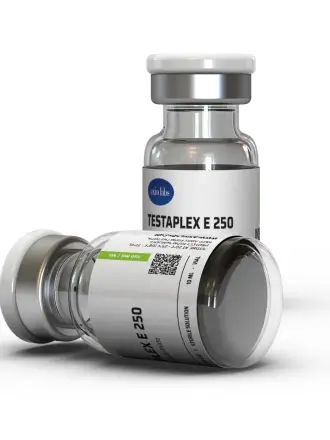
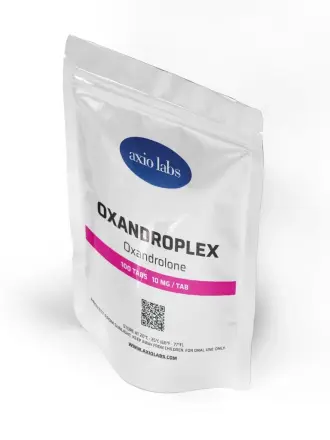
On a steroid cycle, the compounds that support connective tissue are AxoTropin HGH and a testosterone base such as Testaplex. Users who run a dry oral such as Oxandroplex 10 mg often add a repair peptide, because joints dry out when estrogen runs low.
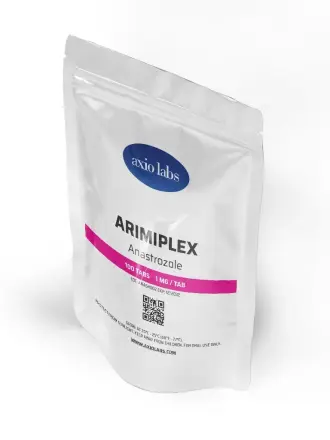
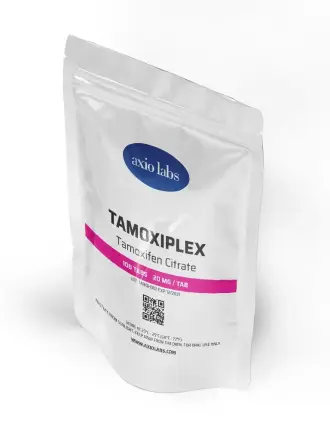
GHK-CU does not touch the androgen axis, so it does not require post-cycle therapy and it does not suppress natural testosterone. When the peptide is part of a larger cycle, the usual support plan belongs to the anabolic side: Arimiplex 1 mg for estrogen control while on, then Tamoxiplex 20 mg or Clomiplex 50 mg afterwards.
Give the tissue time. Tendons and ligaments heal slowly because their blood supply is limited, which is the whole reason peptides of this type are studied at all.
There is no dedicated human side effect profile for injected copper peptide. The one clear warning in the literature concerns the dual action on metalloproteinases and their inhibitors. Injection site irritation is the most common practical complaint with peptides of this kind.
GHK-CU is not an approved drug anywhere. It is used as a cosmetic ingredient, and the injectable version is ahead of the evidence base. Regulatory status differs by country, so check local rules before ordering.
This material is for adult men and is not medical advice. Do not use a hazy or cloudy solution, keep vials away from children, and avoid unlicensed sources when the identity of the peptide matters.
Keep the unmixed powder in a dry, cool place away from light and moisture: either controlled room temperature of 15 to 25 C or the refrigerator at 2 to 8 C. Never freeze the lyophilized powder. Once mixed, store it at 2 to 8 C and use it within 30 days, avoid repeated freeze-thaw cycles, and discard a solution that looks cloudy.
At XSteroids you buy GHK-CU directly from the Axiolabs brand catalog, with secure checkout, US domestic shipping in 3 to 6 days and international delivery in 12 to 26 days. The 50 mg vial is listed on this page, and the related products below cover the rest of the repair line plus the on-cycle support you may want around it.
It is studied as a repair signal. GHK-CU increases collagen and glycosaminoglycan synthesis in fibroblasts, supports blood vessel growth, and shows antioxidant and anti-inflammatory activity in laboratory models. Human evidence is largely topical: a 2018 review found improved collagen production after twelve weeks of skin application.
The blue colour comes from the copper in the complex. GHK-CU is the tripeptide Gly-His-Lys bound to copper(II), and that bound metal absorbs light in the blue range. A clear blue solution after mixing is exactly what the product should look like, so do not treat the colour as contamination.
Add 2 to 5 ml of bacteriostatic water and swirl gently, never shake. Two millilitres gives about 25 mg/ml, so 0.1 ml holds roughly 2.5 mg; five millilitres gives about 10 mg/ml and 0.1 ml holds about 1 mg. Refrigerate the solution and use it within 30 days.
No. It has never been approved as a drug by any regulator. GHK-CU is used commercially as a cosmetic ingredient, and the injectable form sold for research is ahead of the clinical evidence base, so claims about what it delivers in the body stay in the research category.
Research references for systemic use in animal and cell models sit around one to two milligrams per day. At that level a single 50 mg vial lasts 25 to 50 days. Topical studies usually describe concentrations of 0.5 to 2 percent, which cannot be converted to milligrams without a carrier volume.
No direct listing was found in the current WADA list. That is not the same as being approved or permitted, and research on copper peptides is still developing. Athletes should treat an unlisted research peptide as unproven rather than cleared, and check the current list themselves.
You can buy GHK-CU by Axiolabs online at XSteroids, direct from the brand catalog. The store offers secure checkout, US domestic shipping inside 3 to 6 days and international delivery in 12 to 26 days. Add the 50 mg vial to your cart on this page.
Loading...
Your cart is currently empty. Let us assist you in finding the right product