Quick View
Loading...

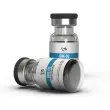
Dragon Pharma
Estimated Delivery: 12-26 Days (International), 3-6 Days (United States)
Return within 45 Days of purchase. Duties & taxes are non-refundable.
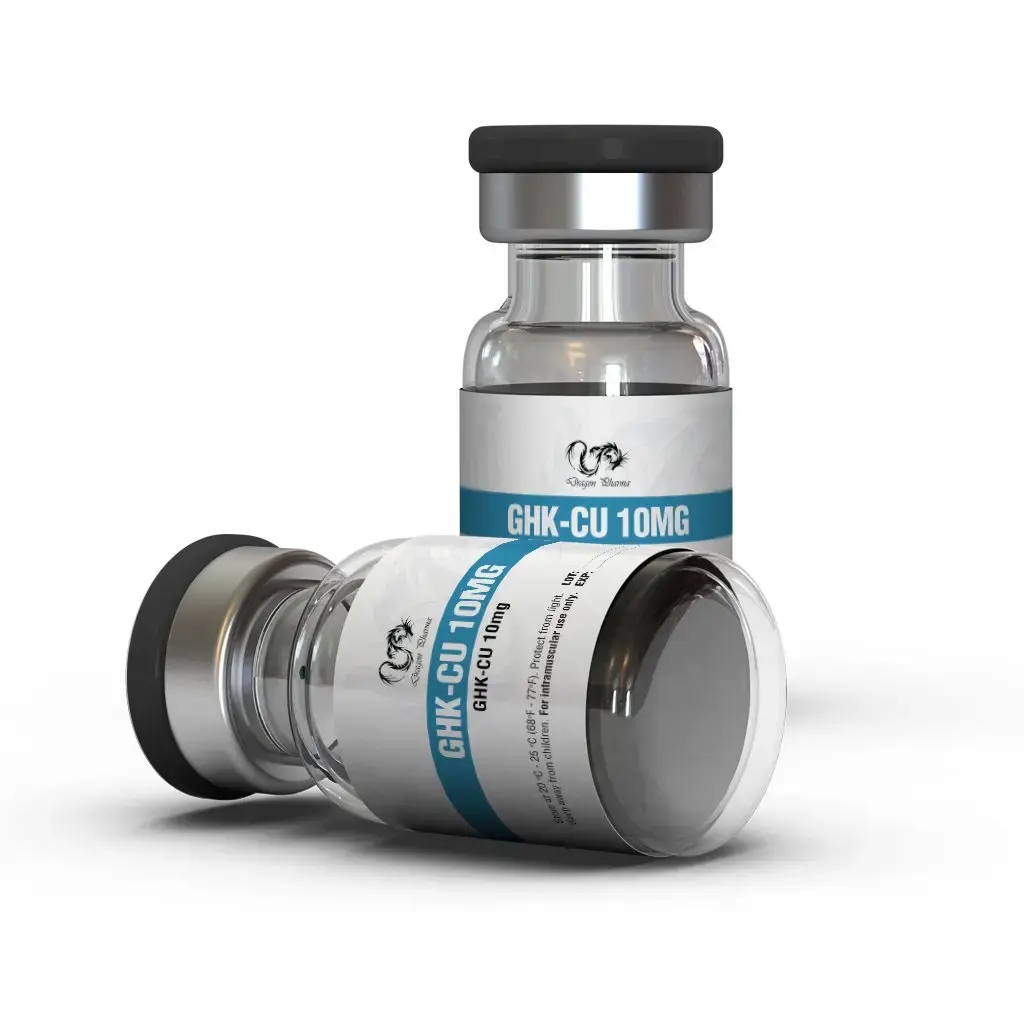
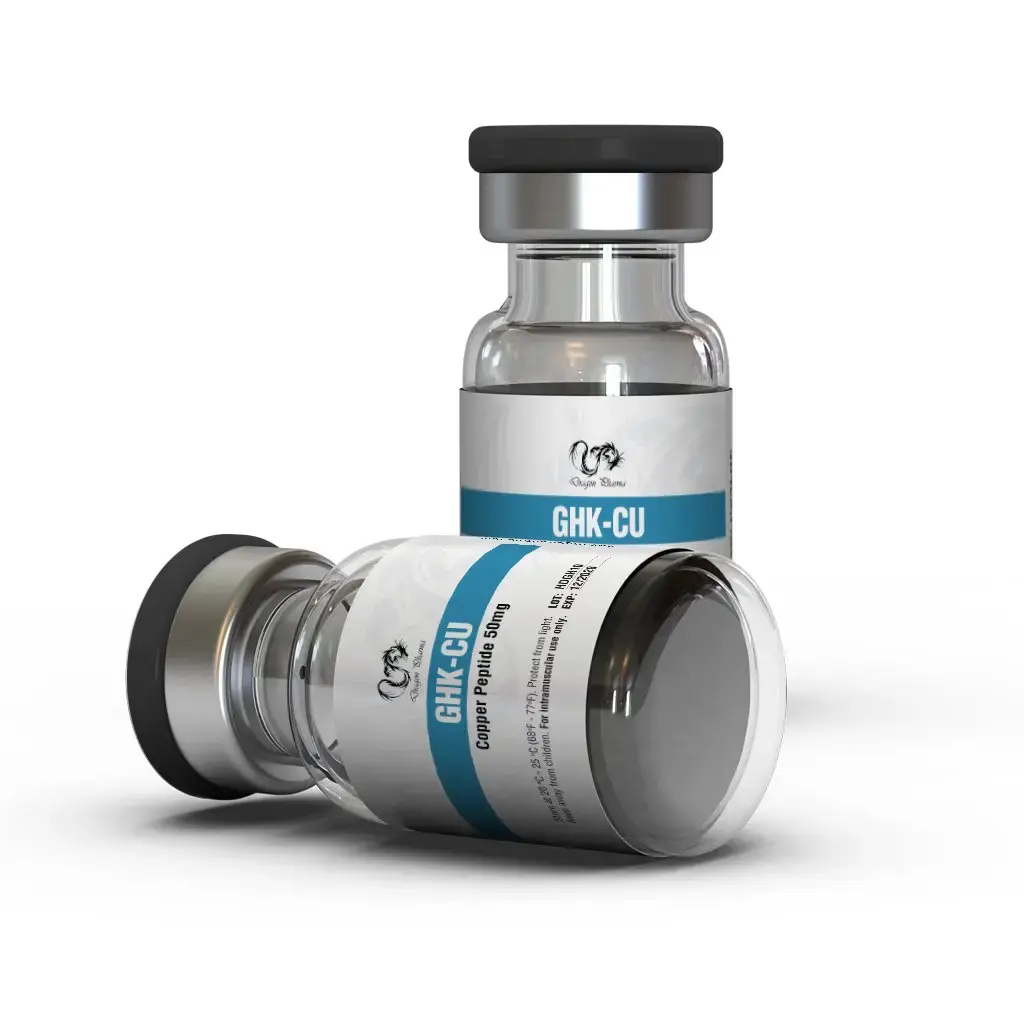
Buy GHK-Cu Peptide 10 and 50 mg by Dragon Pharma at XSteroids. GHK-Cu is the copper complex of a three-amino-acid peptide, and it is one of the most studied peptides in skin and tissue repair research. Dragon Pharma supplies it as 10 mg and 50 mg lyophilized vials. This guide covers what the copper peptide is, what the research shows, GHK-Cu dosage practice and how the vials are prepared.
GHK-Cu is a research compound; most of the evidence behind it comes from laboratory and animal work, and the information below is educational only.
GHK-Cu is a naturally occurring copper complex of the tripeptide glycyl-L-histidyl-L-lysine. The peptide has a strong affinity for copper(II), and the complex was first isolated from human plasma by Loren Pickart in 1973. In human plasma, GHK-Cu levels sit around 200 ng/mL at age 20 and decline with age, which is the observation that started interest in it as an anti-aging compound.
That interest made GHK-Cu a cosmetic ingredient: synthetic copper peptide is used in skin products marketed as reparative and anti-aging, and it is now sold as a lyophilized peptide for research use in the same way as BPC-157 or TB-500.
In fibroblast studies, GHK-Cu at picomolar to nanomolar concentrations stimulated collagen synthesis and increased accumulation of total proteins, glycosaminoglycans and DNA in dermal wounds. It is described as an antioxidant and anti-inflammatory agent, and it promotes the growth of blood vessels - all of which are the mechanisms behind its reputation in skin repair.
Animal work goes further: GHK-Cu has been reported to produce systemic enhancement of healing, meaning peptide injected in one area improved healing in distant areas in rats, mice and pigs, with increases in collagen production, angiogenesis and wound closure. The proposed mechanism is that GHK ferries copper into and out of cells, and its small size lets it move quickly through extracellular space to reach receptors.
It is worth being clear about the evidence level: the human data on injectable GHK-Cu is essentially absent, and the encyclopaedic summary of the topic carries a warning that it leans on primary sources. What exists is cell and animal research, plus cosmetic topical use. That does not make the peptide uninteresting - it makes the claims about it provisional.
There is no established human dose, so protocols are extrapolated from research. What is consistent across those protocols is starting low and keeping volumes small, because the peptide is measured in micrograms on a syringe. The 10 mg vial suits small-scale work and the 50 mg vial suits longer protocols or higher cumulative amounts; because the compound is dosed in micrograms, the dilution ratio - not the vial size - decides how many units equal a given amount.
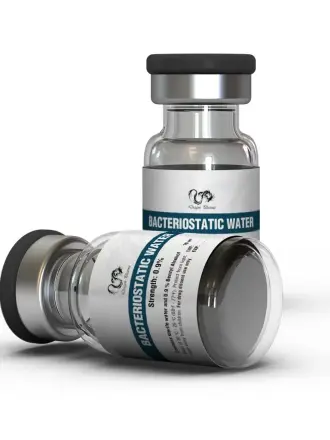
Mix the lyophilized powder with bacteriostatic water, aiming the stream at the vial wall rather than the powder, then swirl gently instead of shaking. Label the vial with the date, keep the solution refrigerated, and treat a punctured multi-dose vial as usable for 28 days.
BPC-157 and TB-500 are associated mainly with tendons, muscle and gut tissue, while GHK-Cu is the peptide with the collagen and skin literature behind it. That is why stacks usually pair the copper peptide with the repair pair rather than substituting one for the other.
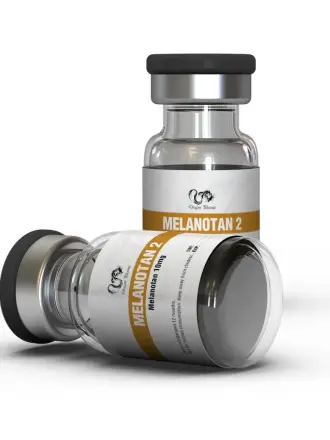
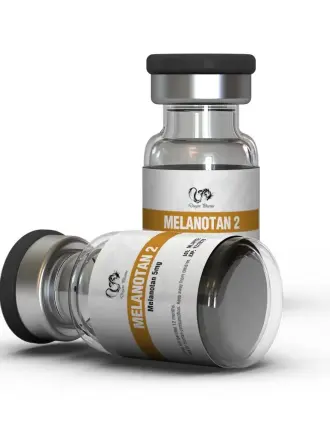
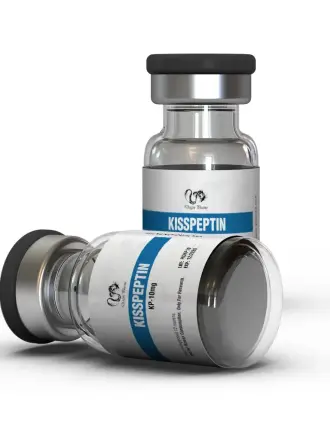
Copper peptide is usually grouped with the repair-focused peptides rather than with metabolic ones. BPC-157 and TB-500 are the classic pair for tissue repair, and many protocols use the ready-made BPC-157 / TB-500 blend; GHK-Cu is added for its collagen and skin angle. Other peptides in the catalog work on entirely different systems, from Kisspeptin-10 on the reproductive axis to Melanotan II for pigmentation.
Reported problems with injectable copper peptides are mostly local: injection-site irritation, redness and discomfort. The theoretical concern is copper load, since the peptide delivers copper into cells, which is why prolonged high-dose use without monitoring is not a sensible approach. Because human safety data is limited, blood work and medical oversight belong in any protocol. This product is supplied for research use and is not intended for beginners, women who are pregnant or breastfeeding, or minors.
Store the lyophilized vials in a cool, dry place away from direct light before reconstitution. After mixing with bacteriostatic water, keep the solution refrigerated and use it within the recommended period for peptide solutions. Keep vials out of the reach of children.
At XSteroids you buy the Dragon Pharma GHK-Cu vials directly from the brand catalog, with secure checkout, US domestic shipping in 3 to 6 days and international delivery in 12 to 26 days. Browse the full range on the Dragon Pharma brand page to complete your research stack.
GHK-Cu is the copper complex of the tripeptide glycyl-L-histidyl-L-lysine, first isolated from human plasma in 1973. It circulates at around 200 ng/mL in a 20-year-old and declines with age. Dragon Pharma supplies it as 10 mg and 50 mg vials.
In cell and animal research it stimulates collagen and glycosaminoglycan synthesis in skin fibroblasts, acts as an antioxidant and anti-inflammatory agent, promotes blood vessel growth and improves wound healing parameters. Human data on injectable use is essentially absent, so nearly all of the evidence is preclinical.
There is no established human dose; protocols are extrapolated from research and start low, with the peptide measured in micrograms. The 10 mg vial suits small-scale work and the 50 mg vial suits longer protocols or higher cumulative amounts, since the dilution ratio sets the working concentration.
Cosmetically it is best known as a reparative and anti-aging ingredient, but the research literature covers wound healing, blood vessel growth and systemic healing effects in animals as well. Skin collagen and wound healing in animal models remain the best-studied angles.
Mix the lyophilized powder with bacteriostatic water, aiming the stream at the vial wall, then swirl gently rather than shaking. Label the vial with the date, refrigerate the solution, and treat a punctured multi-dose vial as usable for 28 days.
Reported issues are mostly local injection-site irritation, redness and discomfort. Because the peptide transports copper into cells, prolonged high-dose use without any monitoring raises a theoretical copper-load concern worth respecting. Blood work is the sensible way to keep track of it.
You can buy GHK-Cu copper peptide 10 and 50 mg vials by Dragon Pharma online at XSteroids. The store offers secure checkout, US domestic shipping in 3 to 6 days and international delivery in 12 to 26 days. Choose your vial strength on this page.
Loading...
Your cart is currently empty. Let us assist you in finding the right product