Quick View
Loading...

Axiolabs
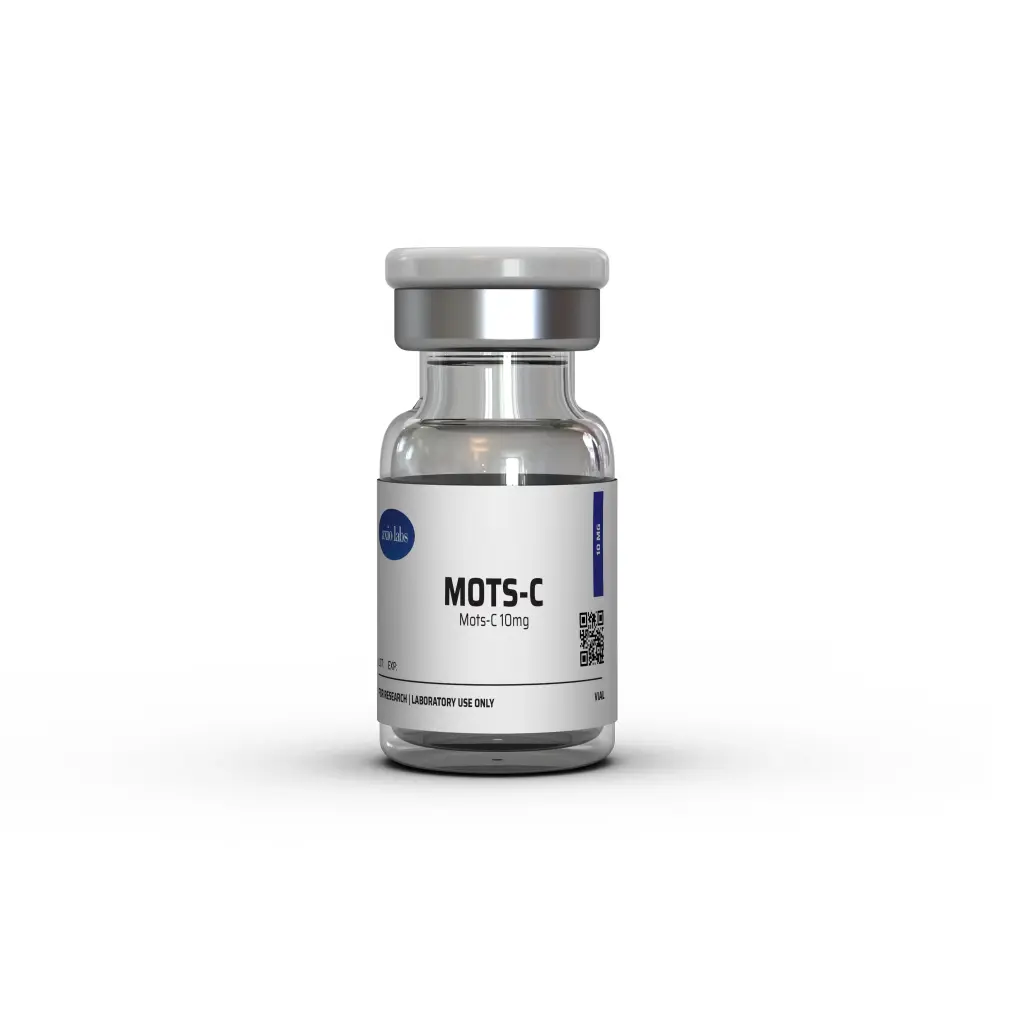
Buy MOTS-c 10 mg by Axiolabs at XSteroids. MOTS-c is a 16 amino acid peptide encoded by a gene inside the mitochondrion rather than the cell nucleus, and it is studied for the way it regulates glucose use in skeletal muscle. Axiolabs supplies it as a lyophilized 10 mg vial for reconstitution. This page covers what the peptide is, how it is thought to work, how a 10 mg vial is mixed, the research amounts, storage and the regulatory and anti-doping status that shapes everything about it.
The honest summary up front: MOTS-c has no approved medical use, no published human dosing standard and only one confirmed human trial, which is still recruiting. Most of what circulates online is animal data plus user reports.
The name is short for mitochondrial open reading frame of the 12S rRNA-c. The peptide is 16 amino acids long, produced inside mitochondria, and reported to bind casein kinase 2. It was identified in 2015 by the group of Changhan Lee working in the Cohen laboratory, and it is described as a mitochondrial signal that reaches the nucleus and alters gene expression.
Axiolabs supplies it as a lyophilized powder in a 10 mg vial, which is a research format rather than a pharmacy presentation. Because no regulator has approved the peptide, there is no official label to follow for mixing, storage or dose, and the guidance on this page is marked as research or supplier practice.
The working model is metabolic. MOTS-c is released during exercise and is thought to improve glucose handling in skeletal muscle, which is why it is labelled an exercise mimetic. In the original 2015 work it supported metabolic homeostasis in mice and reduced obesity and insulin resistance, and later animal work reported improvements in physical performance and healthspan in older animals.
Human evidence is observational so far. Plasma levels of MOTS-c correlate with metabolic markers in population studies, but that is not the same as showing an effect from giving the peptide. A 2023 review stated that MOTS-c has rarely been used for disease treatment and that no effective clinical method of applying it has been developed. One interventional trial is running: a phase 2a study of 120 adults with prediabetes and excess weight, using a fixed daily subcutaneous dose for twelve weeks, with insulin sensitivity as the primary outcome.
Add 1, 2 or 5 ml of bacteriostatic water. One millilitre gives 10 mg/ml, so 0.5 mg is 5 units on a U-100 syringe; 2 ml gives 5 mg/ml and 0.5 mg is 10 units; 5 ml gives 2 mg/ml and 0.5 mg is 25 units. Swirl gently, never shake, and keep the mixed vial cold.
There is no approved human dose. Supplier write-ups describe 5 to 10 mg two or three times a week, or 10 mg weekly in courses, and one published protocol note describes four injections across a 20 day course from 10 mg vials. On the vial maths, a 10 mg vial gives ten 1 mg amounts, twenty 0.5 mg amounts, two 5 mg amounts or a single 10 mg amount, so plan from the total rather than the number of shots.
Metabolic peptides are usually run next to other fat loss tools. Tesamorelin 5 mg targets visceral fat through the growth hormone axis, T3 Liothyronine affects metabolic rate directly, and Clenbutaplex 40 mcg is the classic cutting partner. Each works differently, so they are not substitutes for one another.
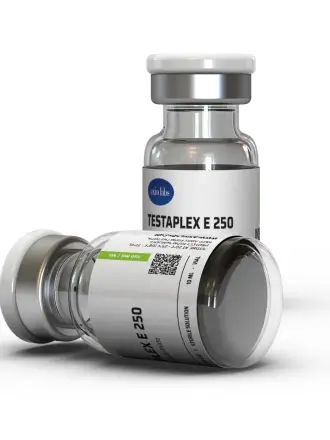
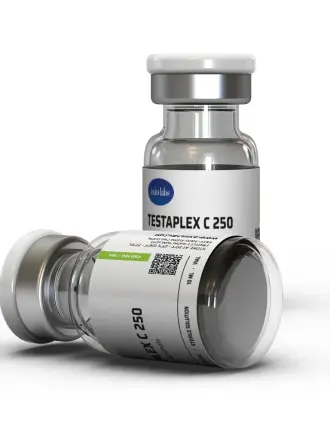
If a steroid cycle is involved, the base stays the same, for example Testaplex Testosterone. Because MOTS-c acts on glucose handling, using it alongside other compounds that affect insulin sensitivity deserves more caution than either one alone.
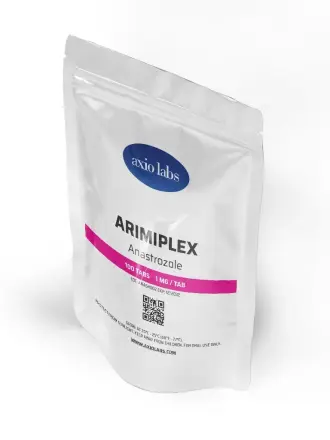
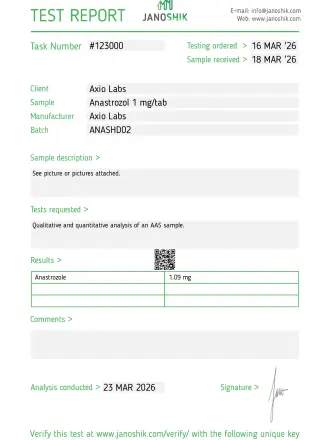
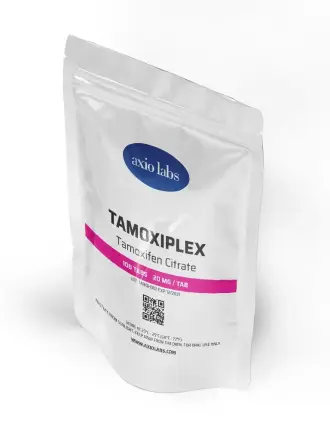
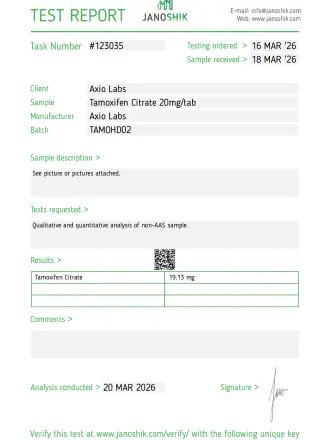
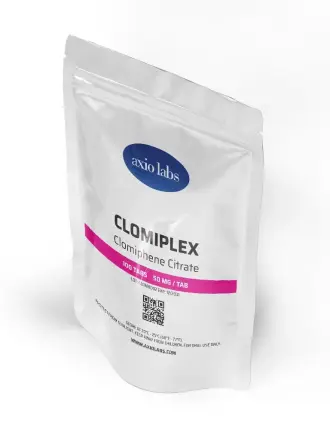
MOTS-c does not act on the androgen axis and does not require post-cycle therapy. Support planning belongs to the steroid side of a stack: Arimiplex 1 mg for estrogen control on cycle, then Tamoxiplex 20 mg or Clomiplex 50 mg after it.
Fasting glucose and, ideally, an insulin sensitivity measure are the numbers to track, because the muscle metabolism story is the whole reason the peptide is of interest. Without baseline blood work there is nothing to compare against.
There is no clinical safety database. Reports from people who bought the peptide online mention a racing pulse or palpitations, irritation at the injection site, insomnia, immune reactions and raised temperature. Those are user reports rather than trial findings and should be read that way.
MOTS-c is not approved for any condition by the FDA or any other regulator. The FDA reviewed the peptide at a pharmacy compounding advisory committee meeting in July 2026, and the briefing for that meeting noted the lack of clinical data on effectiveness and safety. Compounding the peptide is not permitted on that basis.
This material is for adult men and is not medical advice. Anyone taking glucose lowering medication should treat an unregulated metabolic peptide as a real risk rather than a supplement. Keep vials away from children and never inject a cloudy solution.
There is no regulatory storage standard for MOTS-c. Supplier practice for research peptides is to keep the lyophilized vial refrigerated at 2 to 8 C, or frozen for long term storage, and to keep the reconstituted solution at 2 to 8 C for about 28 to 30 days. Treat that as vendor guidance rather than an instruction from a regulator, and never freeze a solution that has already been mixed.
At XSteroids you buy MOTS-c directly from the Axiolabs brand catalog, with secure checkout, US domestic shipping in 3 to 6 days and international delivery in 12 to 26 days. The 10 mg vial is listed on this page, and the related products below complete the metabolic and cycle support picture around it.
No. MOTS-c is a peptide of 16 amino acids encoded by a mitochondrial gene, not an anabolic androgenic steroid. It does not bind androgen receptors, it does not suppress natural testosterone and it does not require post-cycle therapy. Its research focus is glucose metabolism in skeletal muscle, which is a completely different field.
Not approved and not available through compounding. The FDA considered MOTS-c at a pharmacy compounding advisory committee meeting in July 2026, and its briefing document pointed to a lack of clinical data on both effectiveness and safety. With no approved use, there is no legal basis to include it in compounded preparations.
One trial is registered and recruiting: a phase 2a study of 120 adults with prediabetes and excess weight, using a fixed dose once daily by subcutaneous injection for twelve weeks. The primary outcome is change in insulin sensitivity, with side effects tracked to week 16. No results have been published yet.
No approved human dose exists. Supplier write-ups describe 5 to 10 mg two or three times a week, or 10 mg weekly in courses, and one protocol note describes four injections over 20 days from 10 mg vials. The single human trial uses a fixed daily dose rather than a flexible one, which is worth noting.
That depends entirely on the amount per injection. One 10 mg vial provides ten 1 mg amounts, twenty 0.5 mg amounts, two 5 mg amounts or a single 10 mg amount. At 1 ml of water the concentration is 10 mg/ml, so a 1 mg amount is 0.1 ml, or 10 units on a U-100 syringe.
WADA lists MOTS-c by name in class S4.4, metabolic modulators, under the entry for AMPK activation, and the ban applies at all times. Because the peptide has no approved therapeutic use, a therapeutic use exemption is effectively impossible for a healthy athlete to obtain. Testing in urine methods continues to develop.
You can buy MOTS-c by Axiolabs online at XSteroids, direct from the brand catalog. The store offers secure checkout, US domestic shipping within 3 to 6 days and international delivery in 12 to 26 days. Add the 10 mg vial to your cart on this page to complete the order.
Loading...
Your cart is currently empty. Let us assist you in finding the right product